
Overview
SPC is a rigid-core form of vinyl flooring. This comparison uses flexible LVT for the flexible alternative, rather than treating all vinyl as a separate material from SPC. Compare exact products, installation methods and evidence for the intended room.
Core Composition: The Key Difference
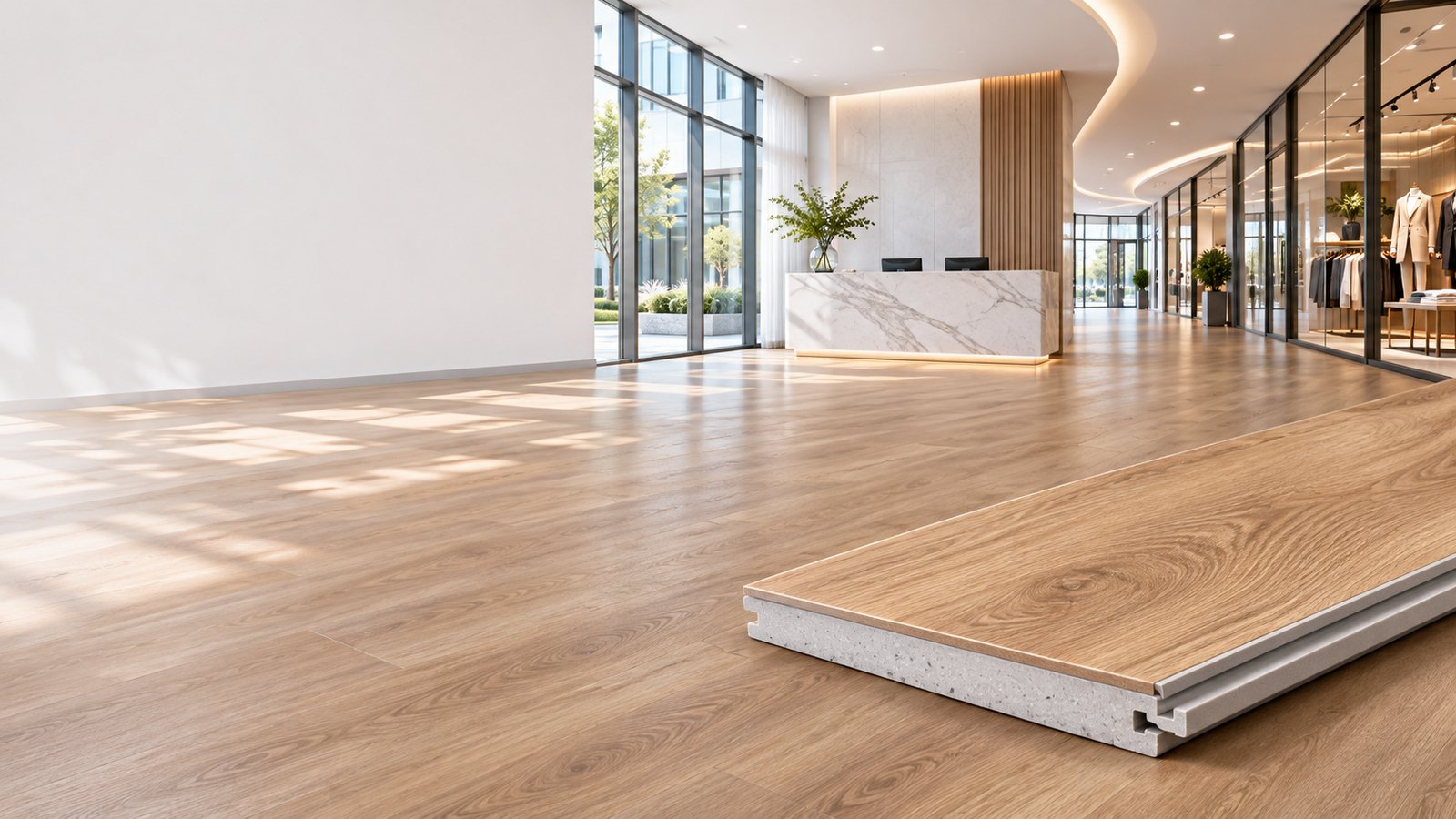
Flexible LVT and rigid SPC differ in construction and stiffness. Composition, wear layer, backing and locking or bonding systems vary by model. Request the complete product specification rather than inferring performance from core density or a marketing category.
Temperature and movement
Both systems need the permitted temperature, sunlight exposure and movement provisions for the selected product. Check acclimatisation, heating limits, expansion arrangements and any direct-sun restrictions. A mineral-filled core does not establish immunity to thermal movement or suitability for extreme conditions.
Subfloor Requirements
Check substrate flatness, soundness, moisture and compatible preparation against the installation instructions for either system. A rigid plank is not a substitute for levelling or a remedy for an unstable substrate. Confirm any existing-floor overlay with the selected flooring supplier.
Wear, indentation and intended use
Assess the finished product's wear classification, indentation and rolling-load evidence, surface finish and maintenance requirements. Core rigidity or a nominal wear-layer thickness alone does not prove suitability for every commercial use. Confirm compatible furniture protection and loading conditions.
Choosing the specified system
Choose the system from project conditions, test evidence, appearance, installation constraints and the complete installed cost. Distinguish core water resistance from waterproofing the installed floor. Confirm the exact model, installation, cleaning and warranty scope before ordering.